
School lessons moved into a civil defence shelter during the Shelter 2026 exercise
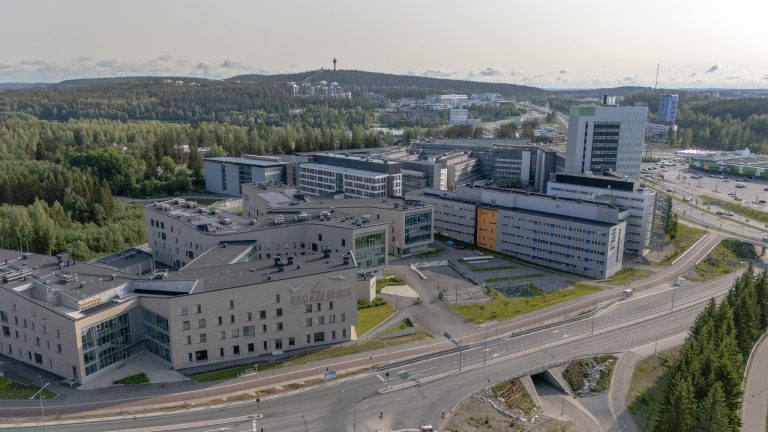
The Shelter 2026 civil defence exercise, held in Luola, in Kuopio, Finland on 2–3 September, extensively tested the preparedness of authorities, organisations and communities to operate in situations resembling emergency conditions. As part of the exercise, the organisers also explored how basic education can be delivered safely in civil defence shelter facilities while meeting the objectives of the national curriculum.
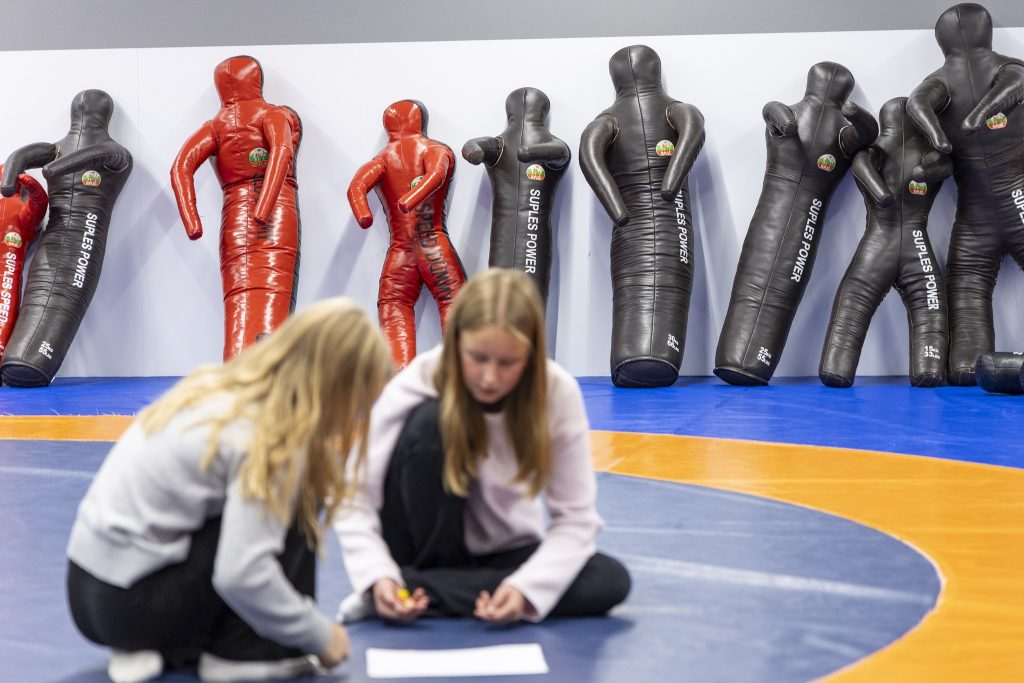
The basic education component of the exercise took place in Luola on 2 September. Teaching was organised in Luola’s martial arts facilities, as the exercise premises provided a calm and dedicated learning environment. The martial arts facilities enabled the education to be conducted without the schedule and movements associated with the wider sheltering exercise disrupting teaching.
The exercise involved pupils and staff from Haapaniemi School and Neulamäki School. From Haapaniemi School, participants included the headteacher, two class teachers, a teaching assistant and 20 pupils. The pupils were from classes 3 and 6. From Neulamäki School, participants included the headteacher, two teachers and around 20 pupils from classes 6 and 7. Representatives of student welfare services from both schools also took part.
The aim of the exercise was to plan and deliver a varied programme of basic education in civil defence shelter facilities and to test the suitability of teaching different subjects and using various teaching methods in an environment outside the school setting. At the same time, the organisers sought to gather experiences and observations from pupils and school staff on how teaching could be delivered in exceptional circumstances.
“It was important for us to test the delivery of basic education in an alternative environment, as a sudden need to move teaching outside the school building could arise, for example, due to severe weather disruptions or unexpected damage to school premises. We gained valuable experience of which curriculum subjects and content can be implemented even at short notice, using limited teaching materials and practical teaching methods,” says Hanna Nurmela, Headteacher of Haapaniemi School.
Careful planning enabled smooth teaching in the civil defence shelter
Preparations for the educational exercise began with thorough planning in spring 2026. The schools’ headteachers familiarised themselves with the facilities to be used in the exercise, and the necessary teaching equipment, timetables and safety arrangements were planned in advance. Pupils and families were informed about the exercise well ahead of time, and participation was voluntary. This autumn, staff finalised plans for the educational activities, schedules and the required equipment. The planning process focused on creating a sense of safety for pupils, recognising the importance of familiar groups and trusted adults during the exercise, and ensuring a calm and effective learning experience.
In the Haapaniemi School group, teaching was delivered mainly through practical activities, making use of co-teaching and collaboration between different age groups. Pupils were provided with exercise booklets containing mathematics tasks. Teaching also included environmental studies activity cards and Finnish language exercises that required no special equipment. Pupils from Neulamäki School were taught in their class groups in subjects including Finnish language, mathematics, physical education and biology. Older pupils also brought their own textbooks with them.
“Teaching sessions lasted around half an hour at a time, and the available facilities were used in a variety of ways. At the beginning of each session, a short physical activity break or relaxation moment had been planned, and this seemed to be very popular with the pupils. We also managed to stay well on schedule throughout the entire exercise,” say Haapaniemi School teachers Paula Hakkarainen and Olli-Pekka Hiltunen.
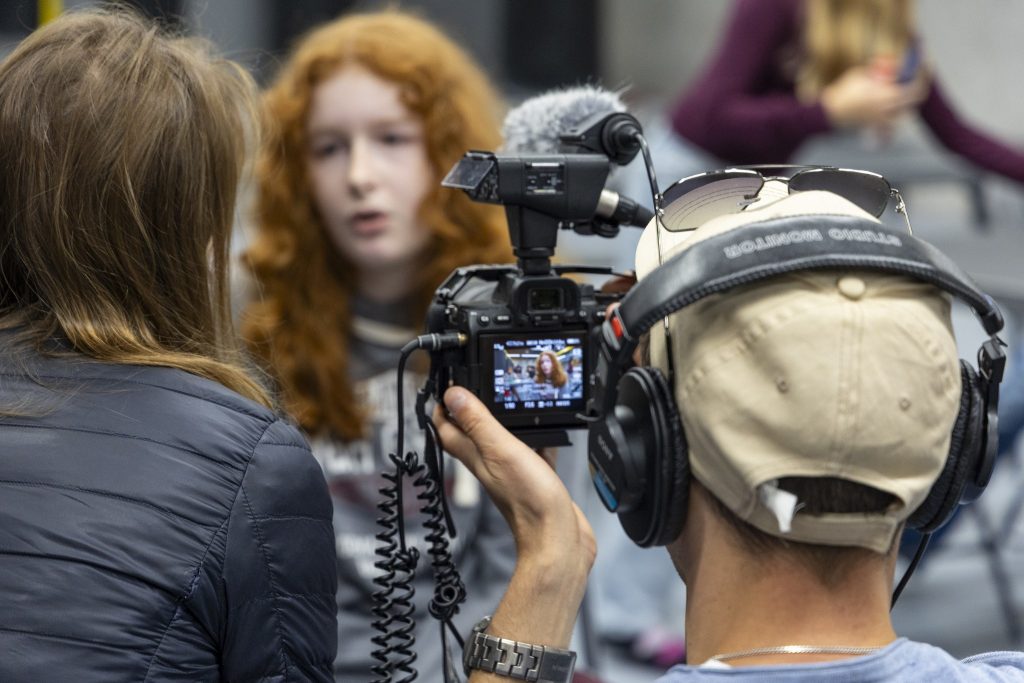
Pupils were enthusiastic about the new learning environment
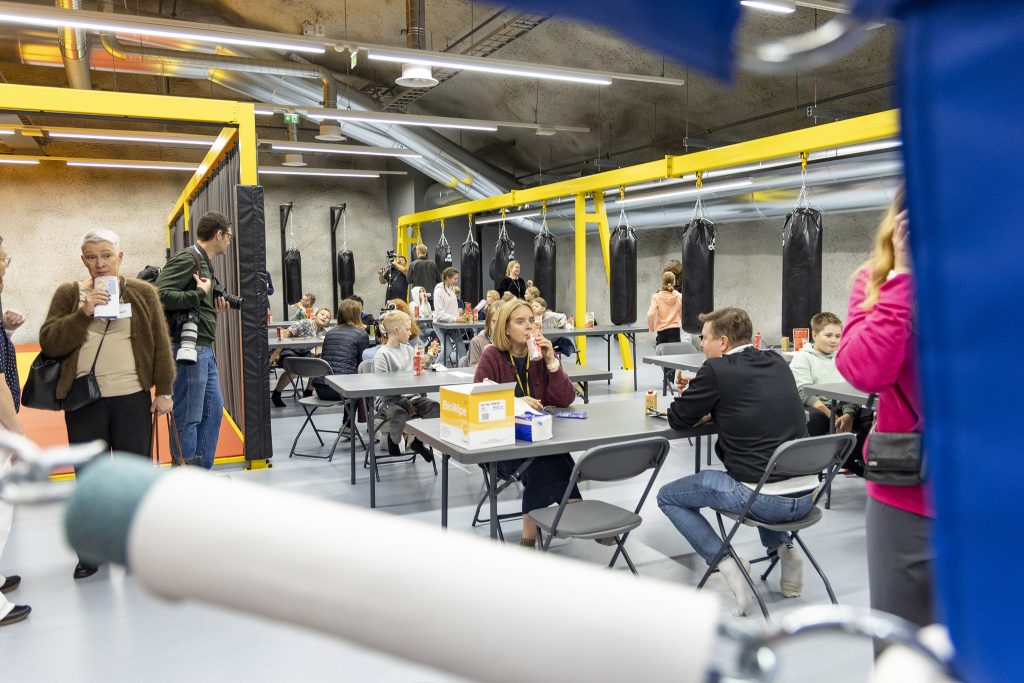
At the end of the exercise, representatives of national and international media were given the opportunity to interview and photograph pupils during lessons and school meals. The meal served during the exercise consisted of emergency food supplied by Servica, all components of which could be consumed without heating. Special dietary requirements were also taken into account.
Pupils looked forward to the exercise with enthusiasm, although some had felt apprehensive beforehand about the unfamiliar learning environment. Studying in the civil defence shelter facilities went well, and pupils enjoyed learning together with different age groups as well as the practical teaching methods. Many found the exercise interesting and hoped to have the opportunity to take part in a similar exercise again.
“The emergency food was quite an unusual experience, a bit like eating during a school trip. It was nice that there was a variety of food available: pasta Bolognese, biscuits, smoothies and juice cartons,” said class 6 pupils Isla Eskelinen, Amanda Hill and Matilda Koskinen from Haapaniemi School.
According to the pupils, the best aspect of studying was the variety of learning methods.
“We were able to work independently and in groups, while at other times we studied more traditionally, for example mathematics. It was also nice that our group included pupils from different parallel classes as well as younger pupils. This gave us the chance to make new friends and sometimes help younger children. Break times between lessons felt a bit different because we were not outside running around as we usually are.”
The teaching staff who took part also considered the exercise successful. It provided valuable experience of how education can be organised in different circumstances while taking curriculum objectives into account. Particularly important factors behind the success were seen to be the close cooperation between staff and the careful planning in advance. The exercise also provided valuable experience of how teaching can be organised effectively in unusual learning environments.